
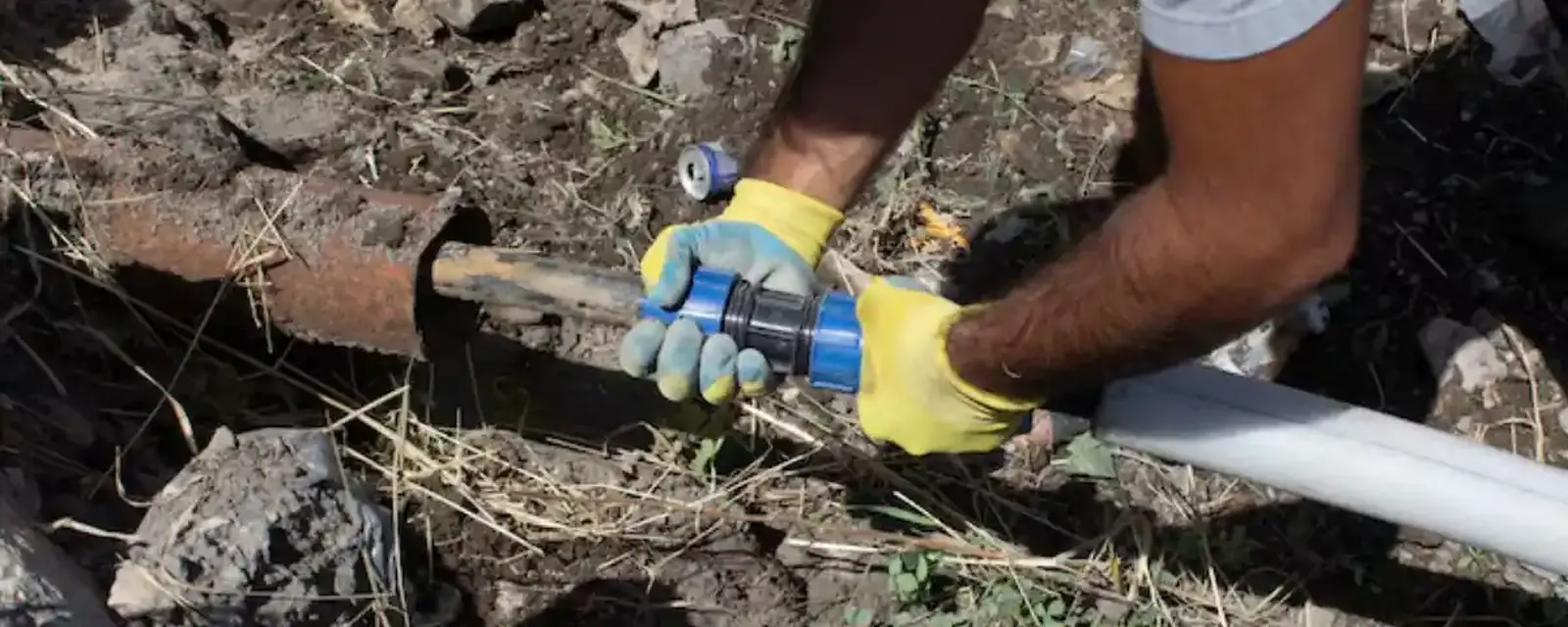
The meter test, step by step
Do this before you dig or call
- Shut off all water use inside and outside. That includes the ice maker, the washer, the dishwasher and any irrigation timer.
- Open the meter box lid. Wear gloves and check for insects or debris first.
- Find the leak indicator, usually a small triangle or a wheel that spins when water flows. A moving indicator means water is flowing somewhere.
- Write down the register reading, wait about half an hour without using water, then read it again.
- If the reading changed, you have a leak. If it did not, the leak is not constant or the problem is elsewhere.
Next, close the main shutoff valve at the house and read the meter again. If the indicator stops, the leak is inside the house. If it keeps moving, the leak is outside the house on the supply line.
A toilet that runs on silently is the most common false alarm. Put a few drops of food coloring in the tank. If color shows up in the bowl without flushing, you have found a leak and it is not underground.
Signs of a buried leak
| What you see | What it can mean | What to do |
|---|---|---|
| Soft, soggy ground with no rain | Leak in the supply line or an irrigation pipe | Shut off water, take a photo, call a plumber |
| Strip of unusually green grass | Seeping water feeding the roots | Mark the spot and run the meter test |
| Sinkhole or sunken patch | Water has washed soil away | Keep people and pets off and call right away |
| Water bill much higher than normal | Constant loss, often out of sight | Run the meter test and compare month to month |
| Low pressure at every tap | Supply line leak before the house | Check the meter, then call |
| Sound of hissing near the meter or the foundation | Pressurized leak close to the house | Shut off at the main and call a plumber |
A single sign is a hint. Two or three together, especially a spinning meter with a dry house, make the case. Document what you see with photos and dates, because the same notes help you talk to your insurer or to the city.
What a plumber uses to find the exact spot
Digging blind costs time and damages the yard. Professionals use tools that find the leak first, so the excavation is small and aimed.
Acoustic listening
A sensitive microphone and ground sensor pick up the hiss of water escaping under pressure. We listen at the meter, the valves and along the pipe route.
Pressure testing
We isolate sections of line, gauge the pressure and watch for a drop. This tells us which section has the leak before anyone digs.
Thermal imaging
A thermal camera shows temperature differences that hot water lines create when they leak into a slab or wall, which helps with hot-side problems.
Tracer gas
A safe, non-toxic gas mixture is pushed into the line and a detector finds where it escapes. It works when sound-based tools are confused by noise.
The right tool depends on the pipe material, the depth and the noise around the site. A good technician often combines two methods to confirm the location. Our leak detection service uses that approach and gives a clear price before any digging starts.
What you can do while you wait
If the meter test shows a leak, shut off the main valve at the house if you can reach it, then keep the water off until a plumber has looked. A small leak can undermine a driveway, a walkway or a foundation if left running.
Do not start digging along the pipe route. You can hit gas, electric or irrigation lines, and you may crack the pipe worse. Mark the damp area with flags or stakes and photograph it instead.
Who owns the pipe and who fixes it
The line from the meter to the house is usually the homeowner's responsibility, while the water main on the street side and the meter itself belong to the water utility. That split decides whether you call the city or a plumber.
If the leak is on the private side, a licensed plumber can repair or replace the section. Our water line repair work covers spot repairs and full replacements and starts with a clear price before work starts.
Where the city's side ends in Jacksonville Beach
The City of Jacksonville Beach provides its own water and sewer. Problems on the city side of the meter, such as a main break, go to the city. The water and sewer office is at 904-247-6241 from 8:00 to 4:30 on weekdays, and the emergency line listed for water and sewer is 904-247-6278. If water is bubbling up at the street or around the meter itself, call the city first, because the repair is theirs.
Problems inside the property line go to a plumber. Jacksonville Beach is at or near sea level and about two-thirds of the municipal area is water, so the ground can stay damp for reasons that have nothing to do with a leak, and wet spots can mislead. That is a good reason to trust the meter test over what the lawn looks like.
When a small leak is still urgent
A slow leak under a driveway can cost more than a burst pipe over time because it runs unnoticed and washes out soil. A sudden loss of pressure, a loud hiss or water pooling near the foundation should be treated as urgent.
Insurance usually covers sudden and accidental damage, not wear, gradual leaks or the failed part itself. Check your own policy, photograph everything and keep your water bills, because they show when the leak started.
Repairs to buried water lines follow the IPC based Florida Building Code, Plumbing, so ask the city building division whether your repair needs a permit before anyone digs.
Meter still moving?
Our licensed plumbers locate the leak before digging and give a clear price before work starts. Same-day appointments are available when the schedule allows, and the line is open 24/7 for emergencies.
We also respond to calls in Neptune Beach and the rest of the nearby towns.
Quick answers for Jacksonville Beach homeowners
Run the meter test. If the meter keeps moving with every fixture off and the house is dry, the leak is probably in the line between the meter and the house.
Wet ground, a green strip of grass and low pressure support the finding.
A small repair on a plastic line is possible for a skilled DIYer, but locating the leak, digging safely and testing the repair are harder than they look. A mistake can cost more than the repair.
A licensed plumber also handles any permit requirements and checks that the repair holds.
Often it does. A bill that jumps with no change in household use is one of the earliest signs. Compare the last few months, and check the meter between readings.
Keep the bills because they help show when the leak started.
Policies usually cover sudden and accidental damage, and not wear, gradual leaks or the failed pipe itself. Read your own policy to see what it says about water line leaks.
Photograph the damage and keep your invoices.
If water is coming from the city side of the meter or from the main in the street, call the city water and sewer line at 904-247-6278. If it is inside the property line, call a plumber.
When you are unsure, a plumber can check the meter and tell you which side the leak is on.
If the meter is still moving after your test, we can find the leak without tearing up the whole yard.
☎ (904) 561-8133