
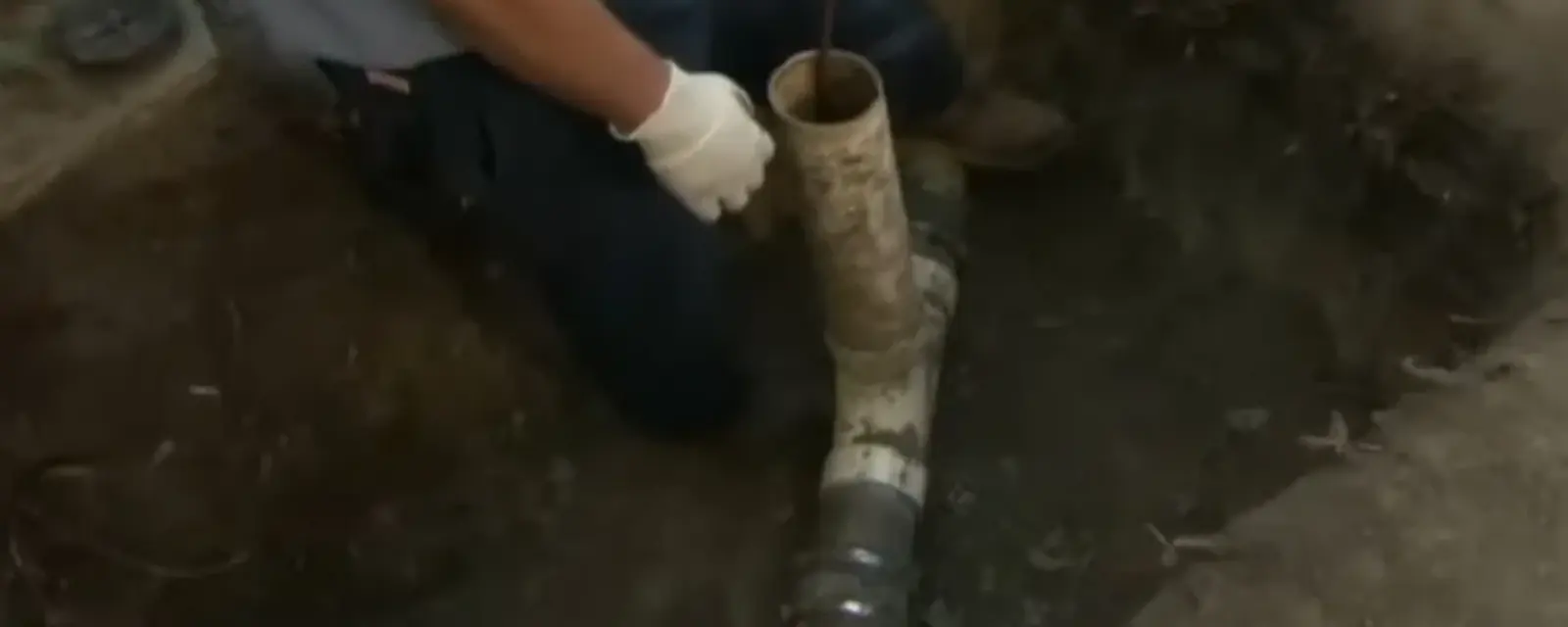
Spot repair, lining or replacement: how the choice is made
The camera tells us what the pipe looks like, and the repair follows from that. A single cracked joint calls for one thing. A full length of root-infested clay calls for another. Here is how the three approaches compare so you can ask good questions.
| Method | Best when | Tradeoff |
|---|---|---|
| Spot repair (dig and replace a section) | One cracked, offset or collapsed section with sound pipe on both sides | Needs excavation at the damage, but cost and disruption stay local |
| Pipe lining (cured in place) | Long run with cracks, root entry or rough walls, and the pipe still holds a round shape | Little digging, but it cannot fix a severe belly or a fully collapsed pipe |
| Full replacement | Pipe is collapsed, badly bellied or deteriorated along most of its length | Most disruptive and most lasting, and may involve a permit |
| Pipe bursting | Replacing an old line along the same path with limited trenching | Needs access pits, and does not suit every soil or layout |
No method suits every line. We show you the video, point to the defect and explain why we are recommending what we recommend. If you want a second opinion, we will give you the footage and a plain description.
A sewer backup in the house: what is happening
A true sewer backup shows in the lowest fixtures first. Floor drains, shower pans and ground-level toilets are where wastewater rises when the main line is blocked or broken downstream. If the water is gray or smells like sewage, treat it as contaminated.
Before the plumber arrives
- Stop running water in every fixture, including the washer and dishwasher.
- Keep people and pets out of any area with standing wastewater.
- Do not use chemical cleaners or try to pump the line yourself.
- Photograph the affected area for your insurer, then wipe nothing down until we have seen it.
- Find your cleanout cap, usually outside near the house, and note where it is.
A blockage can be cleared by sewer line cleaning. If the camera finds a break, cleaning does not fix it, and the repair is what comes next. Either way we check the line from the cleanout, so you know which situation you are in.
Signs the pipe is broken, not just blocked
A blockage returns after clearing only if something is wrong with the pipe. Roots in a joint, a sag that holds water, or a crushed section will each make the same clog come back. A cable that stops at one distance every time is a strong hint.
Other clues sit outside the house. A soft, sunken or unusually green spot in the yard along the line, a sewer smell near a wall, or a patch of wet soil with no rain are all worth a call. On the inside, repeated gurgling and drains that slow whenever it rains are common as well.
Sewer repairs must meet the Florida Building Code, Plumbing, drawn from the International Plumbing Code (IPC), including slope and cleanout access. A repair under a street or right of way is a utility and city matter as well, so the permit question matters here.
Backed up now or seeing the early signs
Call (904) 561-8133 to reach 24/7 dispatch. We will send a licensed plumber, inspect the line with a camera and give you a clear price before any digging starts.
Septic to city sewer: the rebate Jacksonville Beach offers
Switching from septic to the city sewer
Some older homes in the area still run on septic tanks. The City of Jacksonville Beach has a septic phase-out rebate of up to $8,000 for connecting to city sewer and abandoning the tank. It covers a $1,000 capital improvement fee, a $750 sewer tap-in fee and up to $6,500 of contractor cost.
If your tank is failing, that rebate changes the repair decision. Pumping a failing system over and over only delays the decision, and a connection ends the problem for good. Confirm eligibility with the city before work begins, since a rebate is easier to claim than to recover after the fact. Our plumbing installation team handles the building-side piping.
A tap-in is plumbing work, so ask the Building Inspection Division at 904-247-6100 about the plumbing permit. Work may not begin until a permit is approved and posted on site.
Ground near sea level and old pipe
Jacksonville Beach sits at or near sea level, and many homes are on older lines. Soil that stays damp holds a leaking pipe in place and can mask it for a long time. After a hurricane or a flooded season, lines can shift, so a camera check is sensible even if the house seems fine.
That is also why sewer camera inspection makes sense before any digging. It shows the real defect and its location, so excavation is small and targeted.
What drives the cost of a sewer repair
We give you a clear price before work starts, after the camera is done. These are the pieces that make it larger or smaller.
Homeowner policies often exclude wear, tree roots and the failed pipe itself, but may cover sudden damage that results from a backup. Read your policy for sewer backup coverage.
Call and describe what you are seeing, and we will explain the likely route.
Sewer Line Repair questions in Jacksonville Beach
Yes. Dispatch runs 24/7. A sewage backup at night gets a licensed plumber who clears or isolates the problem, and the full repair is scheduled once the camera has shown what is wrong.
If sewage is rising in the street or several neighbors are backed up, call the city water and sewer emergency line at 904-247-6278. If only your property is affected, the break is on your side.
Yes. The City of Jacksonville Beach lists a rebate of up to $8,000 for connecting to city sewer and abandoning a septic tank. Check with the city that your address qualifies before you start.
Often yes. The city's plumbing permit application asks for the classification, such as repair or alteration, and the type of work, such as drain, waste and vent on private property. Ask the Building Inspection Division at 904-247-6100.
Sometimes. Lining and pipe bursting reduce trenching, but they suit certain pipe conditions. The camera decides which options are open.
Florida contractors are licensed under Chapter 489, Florida Statutes. Search by name or business on MyFloridaLicense.com using Verify a License.
If sewage is reaching the floor right now, the dispatch line is the quickest way to get a plumber moving.
☎ (904) 561-8133