
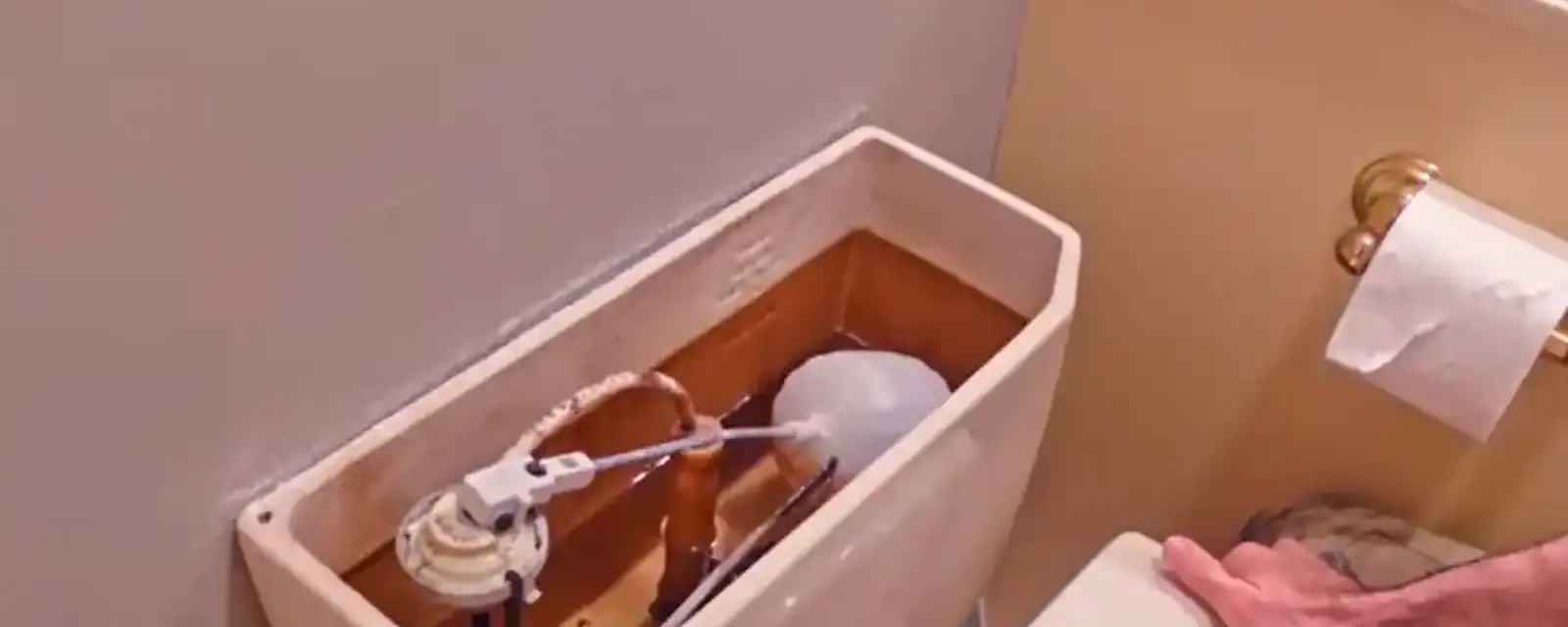
Toilet overflowing or leaking right now: stop the water first
Two valves control a toilet emergency. The supply stop behind the bowl cuts the clean water coming into the tank. If it will not turn, find the main shutoff for the house. An overflow of a clogged bowl is different from a tank that keeps filling, and the first is a drain problem while the second is a fill valve or flapper problem.
What to do while you wait
- Close the supply stop behind the toilet by turning it clockwise.
- Lift the tank lid and press the flapper down to stop water entering the bowl if it is still rising.
- Do not flush again to test it.
- Put down towels, and photograph any water that reached the floor for your insurer.
- If water seeps from the base, switch off nearby power strips and outlets that sit low.
A bowl that rises when you flush and then drains slowly points to a clog. If clearing with a plunger does nothing, the stoppage may be in the toilet's trap or further down the line, which is a drain cleaning job.
Running toilet and phantom flushing
A toilet that hisses or refills on its own is leaking water from the tank to the bowl. The flapper, the rubber seal at the bottom of the tank, is the usual culprit. It warps, hardens or collects mineral film, and then it stops sealing. A plumber replaces it in minutes and tests that the water level sits below the overflow tube.
If the flapper is fine, the fill valve may be at fault. A valve that does not shut off at the right level lets water run down the overflow tube. A hissing sound after the tank is full is the clue. Replacing the fill valve and adjusting the float usually ends it.
What your tap water means for toilet parts
City water and rubber parts
Jacksonville Beach supplies its own water from six wells in the Floridan Aquifer. The city aerates the water to remove hydrogen sulfide, the rotten-egg smell, and chlorinates it for disinfection. Chlorine is part of safe water, and over time it can dry out rubber flappers and seals, so a cracked or sticky flapper is a normal wear item here, not a sign of a defective toilet.
That points to a practical choice. When the flapper fails, replace it with a quality part and ask about chlorine-resistant materials. If your tank water smells like sulfur, test your tap and ask the Water Division at 904-247-6241 for the annual water quality report, since the report does not list hardness. Mineral buildup on fill valves is easier to understand once you know your own tap.
| Symptom | Likely cause | Typical fix |
|---|---|---|
| Runs on and off or hisses | Worn flapper or fill valve | Replace flapper or fill valve, reset the water level |
| Water around the base | Failed wax ring or loose closet bolts | Reset the toilet with a new wax ring |
| Rocks or shifts on the floor | Loose bolts or damaged flange | Tighten, shim or repair the flange |
| Weak flush | Clogged rim jets or low tank water | Clean jets, adjust the fill level |
| Keeps clogging | Partial drain restriction, slow flush or flange problem | Camera, cable, or replace the toilet |
| Tank sweats or drips | Condensation or a bad supply connection | Replace the supply line, check shutoff |
Toilet height, flange position and the fill and flush hardware all tie back to the state plumbing code, Florida Building Code, Plumbing, a code that follows the IPC and the manufacturer's instructions. A rocking bowl or a flange set below the floor is a code and a leak problem, not just an annoyance.
Toilet leaking through the floor
Call (904) 561-8133 and describe what the toilet is doing. We will send a licensed plumber, and you get a clear price before any work starts.
Wax ring and flange: leaks at the base
A toilet sits on a wax ring that seals the bowl to the drain flange in the floor. If you see water at the base after a flush, or the floor feels soft, or the toilet rocks, the seal has failed. That leak is wastewater, not clean water, so stop using the toilet and call.
The fix is to pull the toilet, inspect the flange, replace the wax ring and set the toilet again with fresh bolts. A flange that is cracked, rusted or sitting below the finished floor needs a repair ring or replacement. We check the floor for damage before setting the toilet, because a wet subfloor is easier to catch now than later.
A toilet that keeps clogging
If one toilet clogs regularly and the rest of the house is fine, the cause is often the toilet itself, a partial clog in its own trap, or a flange that sits crooked. If every toilet and the shower back up together, the problem is in the main drain, and sewer line cleaning is the right call.
Low-flow toilets from certain years push weakly and can struggle with heavy loads. Wipes, paper towels and feminine products are the most common blockers. We will tell you honestly whether to repair, clear or replace.
Toilet replacement and installation
Sometimes the right repair is a new toilet. A cracked bowl, a toilet that has been repaired repeatedly, or one that is too small or too low for the household are all reasons to replace it. Replacement includes a new supply line, a new wax ring and a check of the flange and the shutoff valve.
Elongated bowls, taller seats and efficient flush systems are all options. We install what you choose or recommend a fit for your bathroom. Related fixture work, like a leaking shutoff, is covered under faucet and fixture repair.
What shapes a toilet repair price
We give you a clear price before work starts. These points move it.
Homeowner policies usually cover sudden and accidental water damage, but not the toilet or the worn part that failed. Check your policy and photograph any damage.
Call and tell us what the toilet is doing so we can give you the real number.
Toilet Repair questions in Jacksonville Beach
Yes. Dispatch is 24/7. A plumber will stop the leak or overflow and either repair the toilet or tell you the best next step, with a clear price before work starts.
Usually a worn flapper or a fill valve that does not shut off. Water slips from the tank into the bowl, and the tank refills. Replacing the part ends it, and the fix is usually quick.
It can be. If it comes from the base after flushing, the wax ring may have failed, and that leak is wastewater. Stop using the toilet and call.
Chlorine used for disinfection can age rubber parts like flappers over time. That is normal wear. Ask the Water Division at 904-247-6241 for the annual report if you want details about your supply.
A cracked bowl, repeated clogging or constant repairs suggest replacement. A running tank or a bad flapper is a repair.
Ask the Building Inspection Division at 904-247-6100. Rules vary with the work, and we can tell you if something more than a swap is involved.
If a toilet is overflowing or leaking, shut the valve, then reach dispatch.
☎ (904) 561-8133